

About
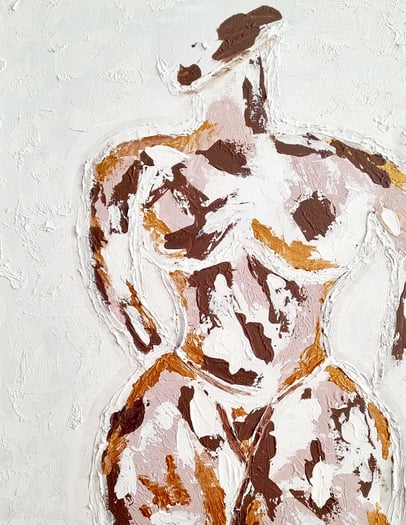
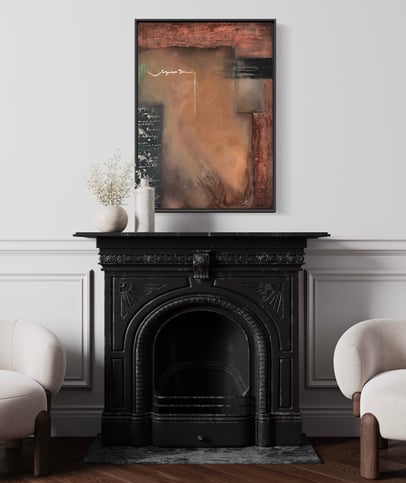
Emma Lina is a Swedish contemporary artist based in Gothenburg, working primarily in mixed media with acrylic and sculptural materials. Her practice centers around material based painting where texture, movement and emotion meet in layered compositions.
With a background in economics and systems science, she brings both structure and intuition into her artistic process. Her work explores the balance between softness and strength, stillness and subtle movement, creating tactile surfaces that invite the viewer to pause and reflect.
Emma Lina creates for both private collectors and corporate environments and is currently developing her practice full time from her studio in Gothenburg.

Silent Journey


Inspiration
Emma Lina finds inspiration in emotional contrasts, human vulnerability and the quiet tension between control and release. Nature, light and organic movement often influence her compositions, but the core inspiration comes from internal landscapes rather than external motifs.
She is drawn to slow processes where time becomes part of the artwork. Each layer carries intention, creating depth that reflects both presence and transformation.
Background in Economics and Systems Science.
Self-taught artist with over a decade of independent artistic development alongside professional career.
Upcoming exhibitions in corporate environments during 2026.
Ongoing studio development and expansion of large scale material based works.
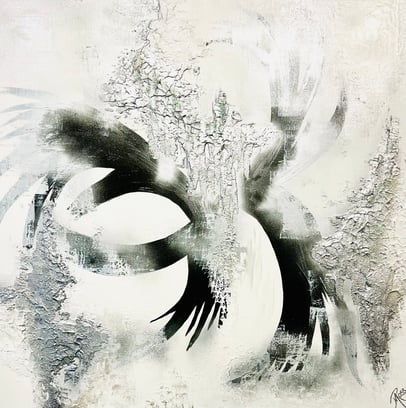
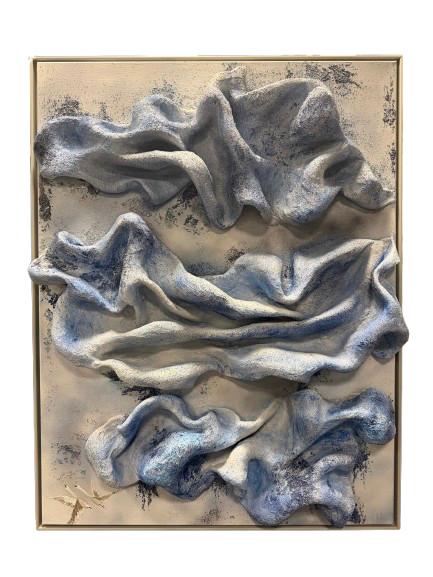
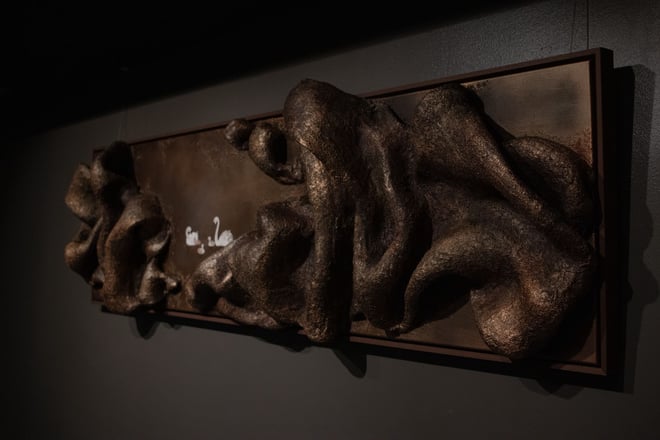
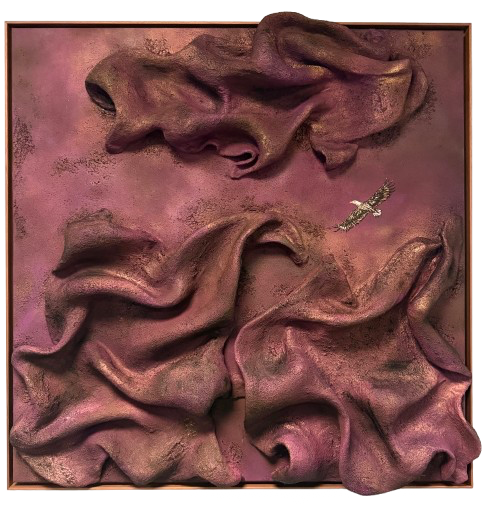
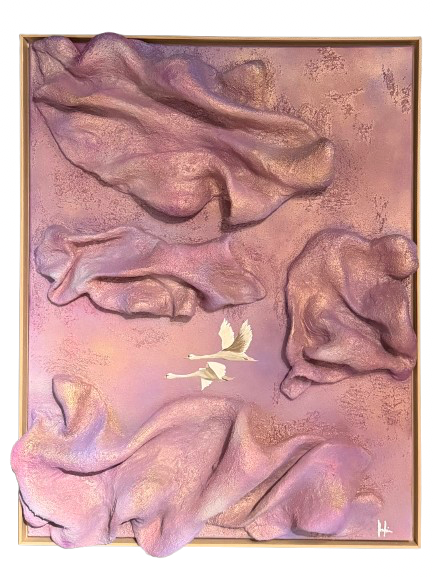
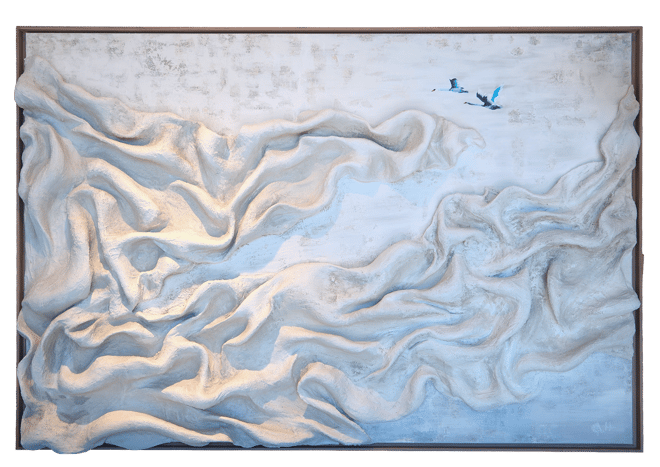
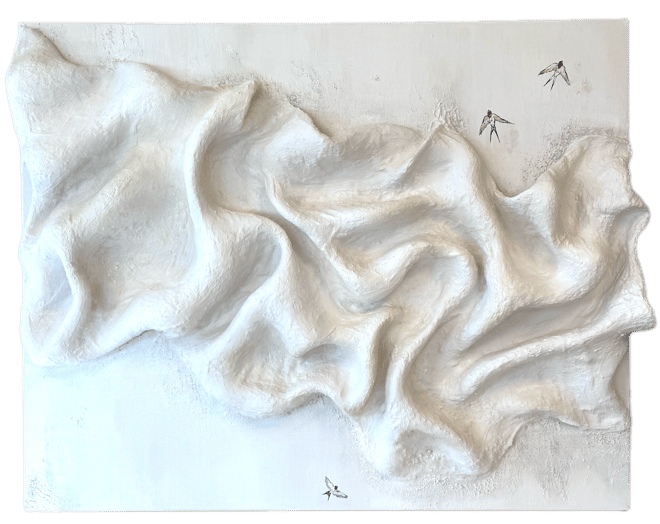
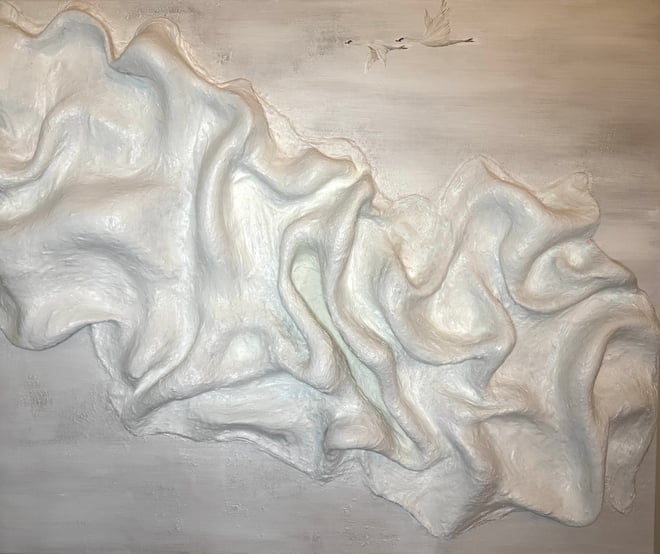
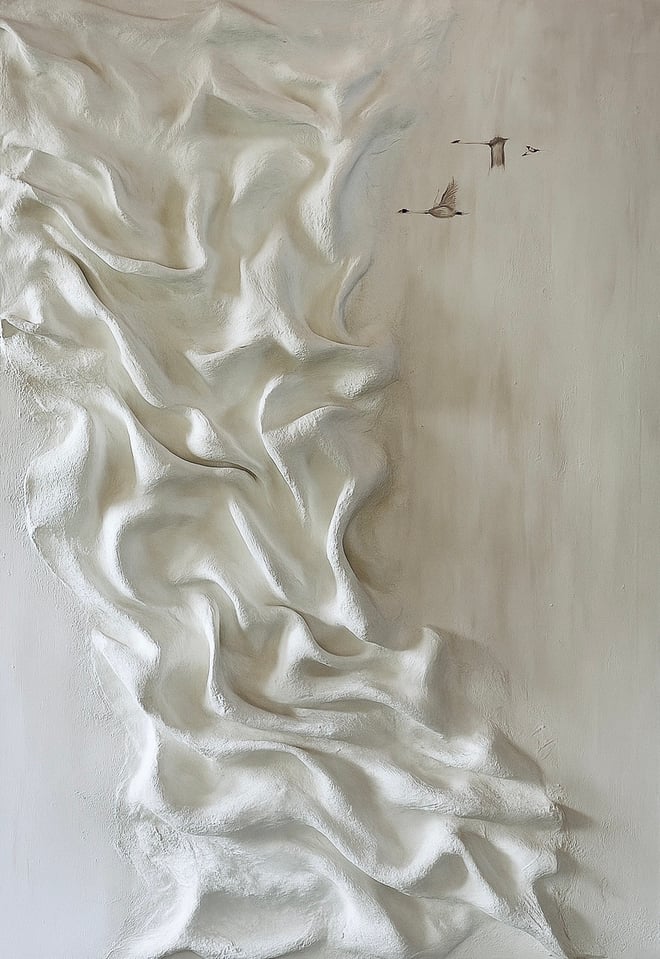
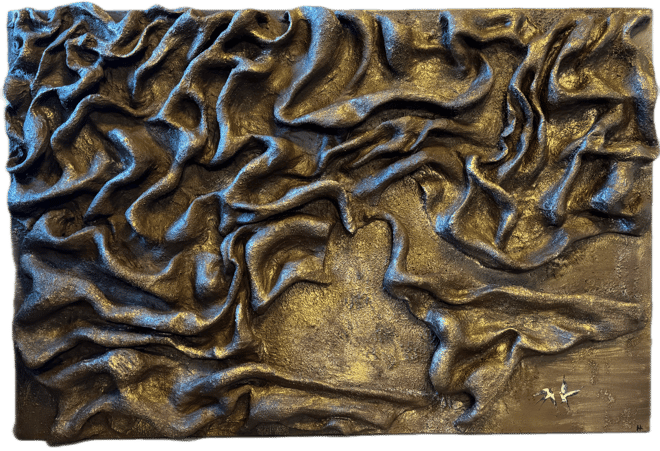
Emma Lina works in mixed media using acrylic, plaster and sculptural materials applied in multiple layers. Her technique is process driven, where surfaces are built gradually to create depth and tactile presence.
The physicality of the material is central to the work, often resulting in relief like textures that blur the line between painting and sculpture.
Her process begins intuitively, often without a fixed sketch. Layers are added, removed and reshaped over time, allowing the work to evolve organically.
Time is an essential element. Some pieces require weeks or months of layering before reaching their final expression. The balance between control and spontaneity defines the final result.
Works for sale (8)

Similar Artists